
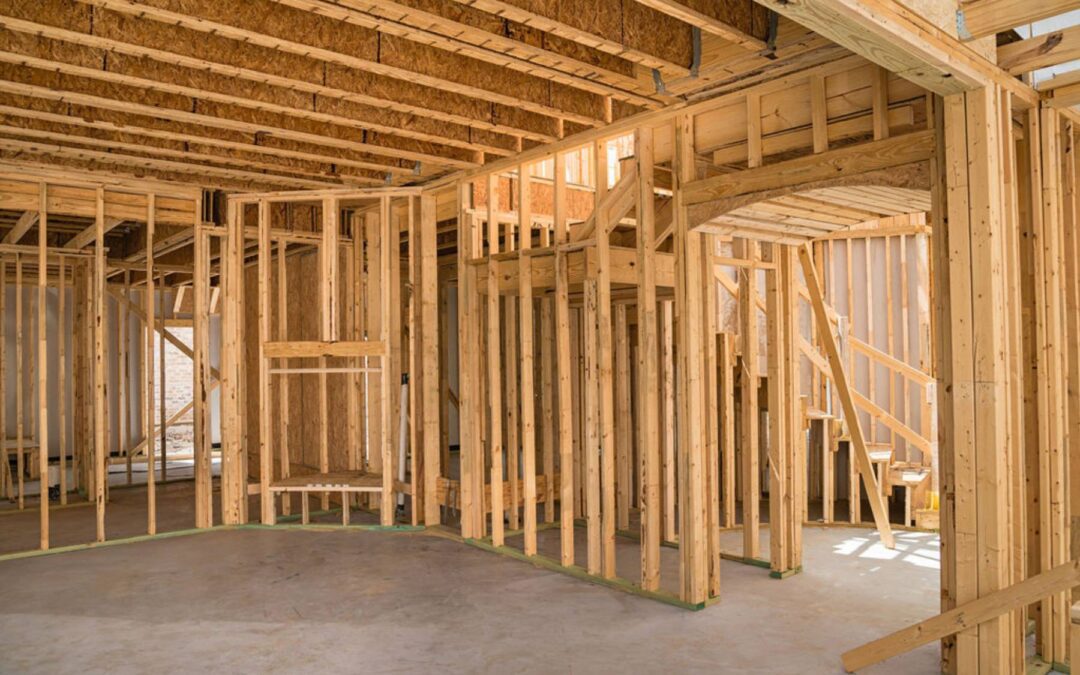
Building a new home in Central Florida comes with the assumption that everything will be done correctly, since after all, it is brand new. In practice, construction projects involve many subcontractors, tight schedules, and countless individual decisions made on site, and a new construction phase inspection is the only way to verify that each stage was completed properly before it disappears behind drywall, insulation, or flooring.
This approach involves multiple visits to a property throughout the building process, rather than a single walkthrough at the end. Each visit targets a specific stage of construction, giving an independent inspector the chance to examine components that will soon be permanently concealed.
Why a Single Final Walkthrough Is Not Enough
Waiting until a home is finished to have it inspected means missing the opportunity to see foundation work, framing, plumbing rough in, and electrical rough in before those elements are covered up. A new construction phase inspection closes that gap by visiting the site at key milestones, such as after the foundation is poured, once framing and rough mechanicals are complete, and again near the end of construction.
The Florida Building Code establishes mandatory inspection sequences tied to construction phases, and Florida’s building code administrators and inspectors are licensed and regulated through the Department of Business and Professional Regulation. Those official inspections confirm code compliance, but this kind of independent, buyer focused review adds a layer of quality oversight that goes beyond minimum code requirements.
What Each Phase of Inspection Covers
During the foundation phase, an inspector examines footing placement, reinforcement, and any visible drainage or grading concerns before the slab is poured. Once framing and rough mechanical work are complete, a new construction phase inspection checks structural framing, plumbing lines, electrical rough in, and HVAC ductwork while all of it is still fully visible and easy to correct if something is wrong.
A final phase inspection, conducted near the end of construction, evaluates the completed systems, finishes, and overall workmanship before closing, catching cosmetic and functional issues that a builder’s own final walkthrough might overlook or gloss over.
The Value of Catching Issues Early
Problems found this way while a home is still under construction are typically inexpensive and straightforward for a builder to correct, since the area in question has not yet been closed up. The same issue discovered after move in, once walls, insulation, and flooring are in place, can mean a significantly more invasive and costly repair.
This is one of the most practical arguments for scheduling this kind of service rather than waiting for a single inspection at the end. Catching a missed insulation gap or an improperly supported beam during framing costs far less time and money than discovering it a year later.
Combining Phase Inspections With a Builder’s Warranty
Many buyers who invest in a new construction phase inspection also schedule a follow up visit closer to the end of their builder’s one year warranty period. This timing allows seasonal issues, such as settling or HVAC performance through a full summer, to surface while the builder is still contractually responsible for addressing them.
Frequently Asked Questions
How many visits are included in a new construction phase inspection? This typically includes two to three visits, covering the foundation stage, the framing and rough in stage, and a final inspection near completion, though the exact number can vary by builder and project.
Is this necessary if the county already inspects the build? County inspections confirm code compliance at each stage, but this kind of service adds an independent, buyer focused review that goes beyond minimum code requirements.
Can this be added partway through a build? It is best scheduled from the start, but a partial series covering the remaining phases is often still possible if construction has already begun.
What happens if an issue is found during one of these visits? The builder is notified with documented findings while the area is still accessible, allowing corrections to be made before it is covered up and becomes far more difficult to address.
Do not wait until the walls are closed to find out what is behind them. Schedule Your Inspection with JVC Home Inspection today.
JVC Home Inspection proudly serves Orlando, Maitland, Windermere, Winter Garden, Winter Springs, Winter Park, Kissimmee, Clermont, Casselberry, Apopka, Altamonte Springs, Sanford, Oviedo, Lake Mary, Saint Cloud, Davenport, Deltona, Poinciana, Longwood, and the surrounding Central Florida communities.