If you are buying or selling a home in Central Florida, chances are good that a WDO inspection will come up somewhere in the process. Unlike a standard termite inspection in many other states, this kind of evaluation in Florida covers a broader category defined specifically under state law, and it plays a significant role in real estate closings across Orlando and the surrounding counties.
WDO stands for wood destroying organism, and this kind of inspection is a formal, state regulated evaluation for visible and accessible evidence of infestation or damage caused by these organisms, which is a broader category than insects alone.
What a WDO Inspection Actually Covers
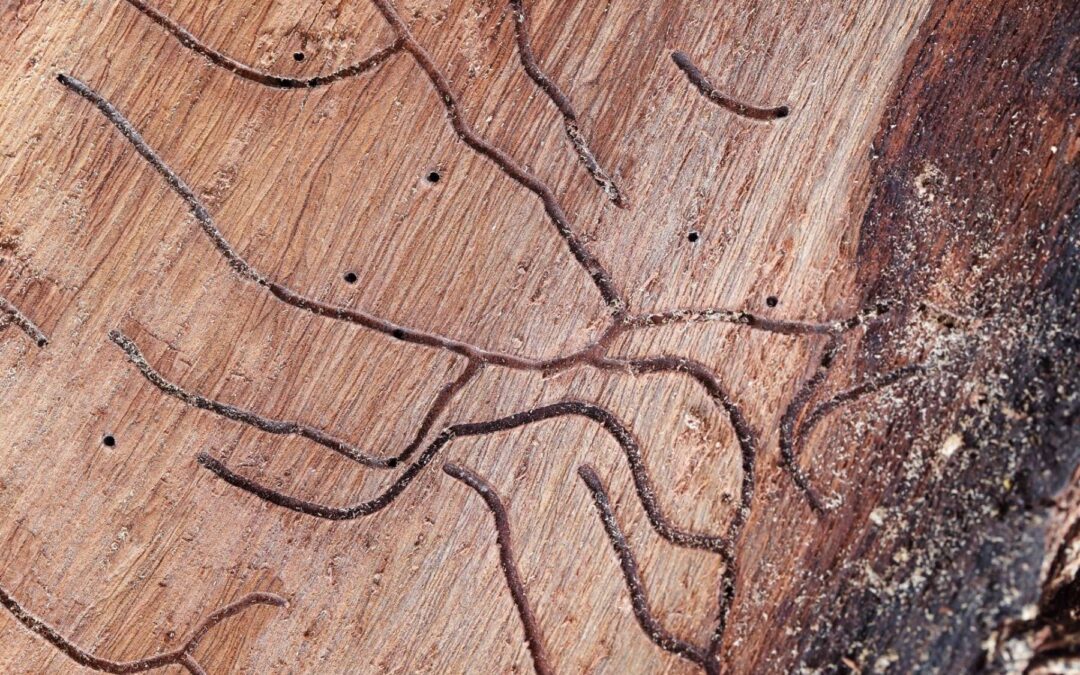
This kind of evaluation examines a structure for evidence of subterranean termites, drywood termites, wood boring beetles, and wood decaying fungi. This is an important distinction from other states, since Florida’s definition includes decay fungi in addition to insects, something most termite letters in other parts of the country do not address at all.
The Florida Department of Agriculture and Consumer Services regulates this category of inspection under Chapter 482 of the Florida Statutes, and requires licensed inspectors to use the state’s official Form 13645 to document their findings. This standardized reporting format, sometimes still referred to informally by its older number, gives lenders, buyers, and sellers a consistent legal document rather than an informal opinion about a property’s condition.
Why a WDO Inspection Matters in Central Florida
Florida’s climate creates ideal conditions for termites and wood decaying organisms, with warm temperatures and consistent humidity supporting activity throughout most of the year rather than a limited seasonal window. Subterranean termites in particular cause billions of dollars in property damage nationally each year, and Central Florida’s older neighborhoods alongside its rapidly expanding new construction are both susceptible in different ways.
Lenders frequently require a clean report before finalizing financing, particularly for FHA and VA backed loans. Buyers who are unaware of this requirement sometimes find themselves scrambling to schedule one late in the closing process, which can be avoided entirely with early planning. Sellers can also benefit from scheduling one proactively before listing, since resolving any findings ahead of time removes a common point of delay once a buyer is under contract.
Common Findings During a WDO Inspection
Mud tubes along foundation walls, discarded termite wings near windows and doors, and wood that sounds hollow when tapped are classic signs an inspector looks for during this kind of visit. Wood decaying fungi often appears as soft, darkened, or crumbling wood, frequently in areas with a history of moisture intrusion such as around window frames, deck ledger boards, or beneath bathrooms.
Homes with wood in direct contact with soil, mulch piled high against siding, or persistent moisture near the foundation create conditions that make infestation more likely, even when no obvious symptoms are visible yet. This kind of evaluation accounts for these conducive conditions specifically, not just active infestation, and a good inspector will note them even when no current damage is found so the buyer understands what to monitor going forward.
What Happens After a WDO Inspection
If evidence is found during this kind of visit, the report will note whether the damage appears active, previously treated, or old and inactive. This documentation becomes an important point of negotiation in a real estate transaction, giving buyers a factual basis for requesting treatment, repairs, or credits before closing rather than relying on assumptions.
Frequently Asked Questions
Is a WDO inspection the same as a termite inspection? It is related but broader. This kind of report in Florida covers wood decaying fungi in addition to termites and other wood destroying insects, unlike a standard termite letter in many other states.
How long is this kind of report valid for closing purposes? Most lenders want the report dated within a specific window before closing, often thirty to ninety days, so timing should be coordinated with your closing schedule.
Who is licensed to perform this kind of inspection in Florida? Only pest control businesses licensed by the Florida Department of Agriculture and Consumer Services in the appropriate category may issue an official WDO report.
Does finding evidence during this kind of visit mean the deal falls apart? Not necessarily. Findings are often addressed through negotiated treatment, repairs, or credits, and many transactions proceed successfully once these items are resolved.
Protect your closing timeline before it becomes a problem. Schedule Your Inspection with JVC Home Inspection today.
JVC Home Inspection proudly serves Orlando, Maitland, Windermere, Winter Garden, Winter Springs, Winter Park, Kissimmee, Clermont, Casselberry, Apopka, Altamonte Springs, Sanford, Oviedo, Lake Mary, Saint Cloud, Davenport, Deltona, Poinciana, Longwood, and the surrounding Central Florida communities.